





+86 18705771231
Stainless Steel Welded Pipe: The "Blood Vessels" and "Framework" of Modern Industry
views:118
date:2026-01-12
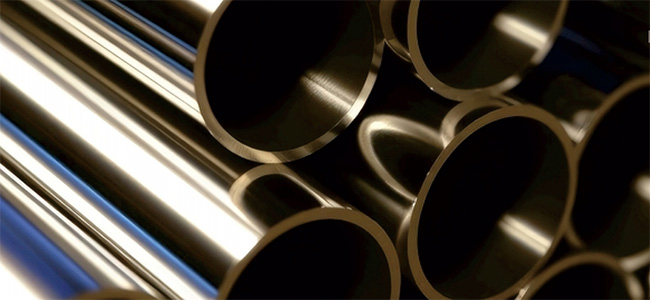
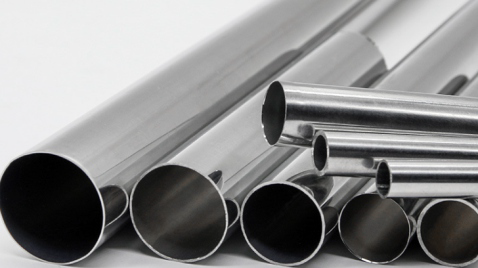
Within the intricate piping of chemical plants, the hygienic production lines of food factories, and the complex structures of skyscrapers, one material works silently to uphold the functioning of our modern world: the stainless steel welded pipe. Serving as both the "blood vessels" for fluid transfer and the "framework" for structural support, its importance is paramount. This article delves into the essential knowledge surrounding this critical industrial material.
1. What is a Stainless Steel Welded Pipe?
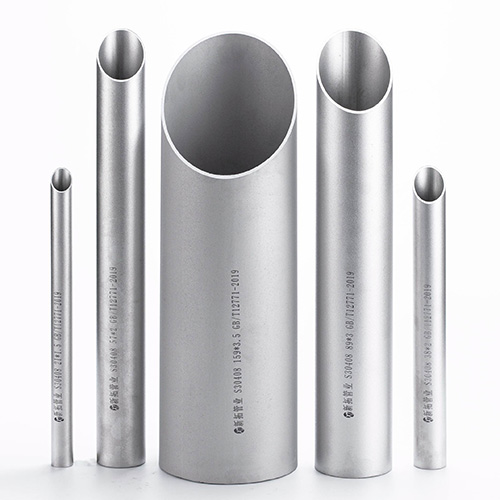
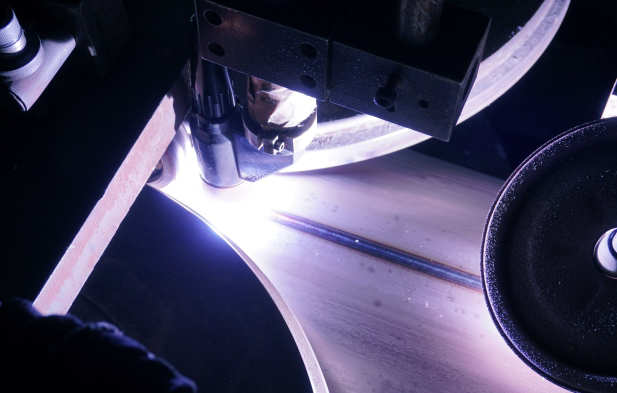
A stainless steel welded pipe is manufactured by forming and rolling stainless steel plates or coils into a cylindrical shape and then welding the seam using key techniques such as TIG (Tungsten Inert Gas), plasma, or laser welding.
Its primary distinction from seamless steel pipes lies in the production process:
Welded Pipe: Formed by welding, offering high efficiency, lower cost, uniform wall thickness, and a vast size range (particularly advantageous for large diameters and thin walls).
Seamless Pipe: Produced by piercing and rolling a solid steel billet, resulting in a seamless body with traditional perceived advantages in pressure uniformity, but with more limited specifications and higher cost.
With significant advancements in welding technology, the performance of high-quality welded pipes now rivals that of seamless pipes and has become a more economical and efficient choice for numerous applications.
2. Core Process: How Welding Achieves Excellence
The weld is the "soul" of the pipe, directly determining its integrity and lifespan.
Primary Welding Techniques:
TIG (Tungsten Inert Gas) Welding: Uses a non-consumable tungsten electrode under an inert gas shield (e.g., argon). It produces aesthetically superior, extremely high-quality welds, making it the preferred method for thin-walled and precision pipes.
Plasma Welding: Offers more concentrated energy, faster speed, and a smaller heat-affected zone, enabling deeper penetration and more consistent quality, ideal for efficient production of medium to thick-walled pipes.
Laser Welding: A top-tier technology with extremely high energy density, resulting in an exceptionally narrow weld seam with minimal thermal distortion, producing near-perfect welds for applications demanding the highest surface finish and precision.
Weld Treatment: Post-formation, welds typically undergo online or offline solution annealing heat treatment to eliminate stress, restore corrosion resistance in the weld and heat-affected zone, and homogenize the microstructure. Processes like weld grinding or full-line polishing during finishing meet stringent requirements for internal smoothness in industries like food and pharmaceuticals.
3. Why Choose Stainless Steel Welded Pipes? Unmatched Advantages
Exceptional Corrosion Resistance: The passive film formed by alloying elements like chromium, nickel, and molybdenum provides excellent resistance to water, steam, acids, alkalis, and more, ensuring a very long service life.
Superior Strength & Toughness: Offers reliable performance for pressure-bearing, impact resistance, and structural support applications.
Excellent Hygiene & Cleanability: Its smooth surface resists scaling and bacterial growth, is easy to clean and sterilize, and is often a mandatory requirement in hygiene-sensitive sectors like food, pharmaceuticals, and bioprocessing.
Aesthetic Appeal & Versatility: The surface can be finished in various ways (polished, brushed, sandblasted, etc.), combining functionality with a modern look for architectural decor, furniture, and appliances.
Outstanding Workability & Weldability: Facilitates further processing like bending, flaring, and cutting, and is itself easy to weld and install.
4. The Keys to Quality: From Source to Inspection
The creation of a high-quality welded pipe relies on strict control throughout the entire process:
Raw Material Foundation: Use of high-quality, traceable stainless steel coils from major mills, supported by Material Test Certificates (MTC).
Precision in Process: Consistent forming, advanced welding parameters, and skilled welder technique are all indispensable.
Rigorous Inspection:
Online Eddy Current/Ultrasonic Testing: 100% non-destructive testing of the weld seam to ensure it is defect-free.
Mechanical Property Tests: Evaluates tensile strength, yield strength, elongation, etc.
Corrosion Tests: Includes salt spray tests, intergranular corrosion tests, etc.
Dimensional & Pressure Tests: Ensures geometric accuracy and pressure-bearing capability.
Authoritative certifications like the ISO 9001 Quality Management System, along with industry-specific approvals such as Pressure Equipment Directives and Sanitary Certifications (e.g., FDA, 3-A), are crucial benchmarks for assessing a manufacturer's credentials.
5. How to Select the Right Welded Pipe for Your Project?
Selecting a welded pipe is a technical decision, not just a simple "purchase to print." Beyond dimensions, focus on:
Material Grade: Choose based on the corrosive environment. Common grades include:
304/304L: For general purposes.
316/316L: With added molybdenum for superior pitting resistance, suitable for chemical and coastal environments.
Duplex Steels: For applications requiring high strength and chloride resistance.
Welding Process & Internal Finish: For fluid transfer, especially of high-purity media, pipes with a smooth internal surface from TIG or laser welding are preferred. Internal polishing or electropolishing may be necessary.
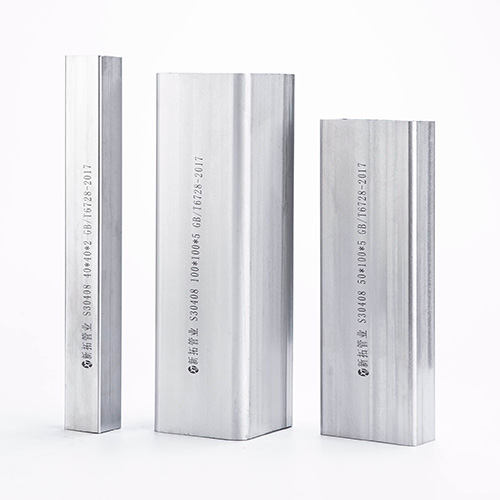
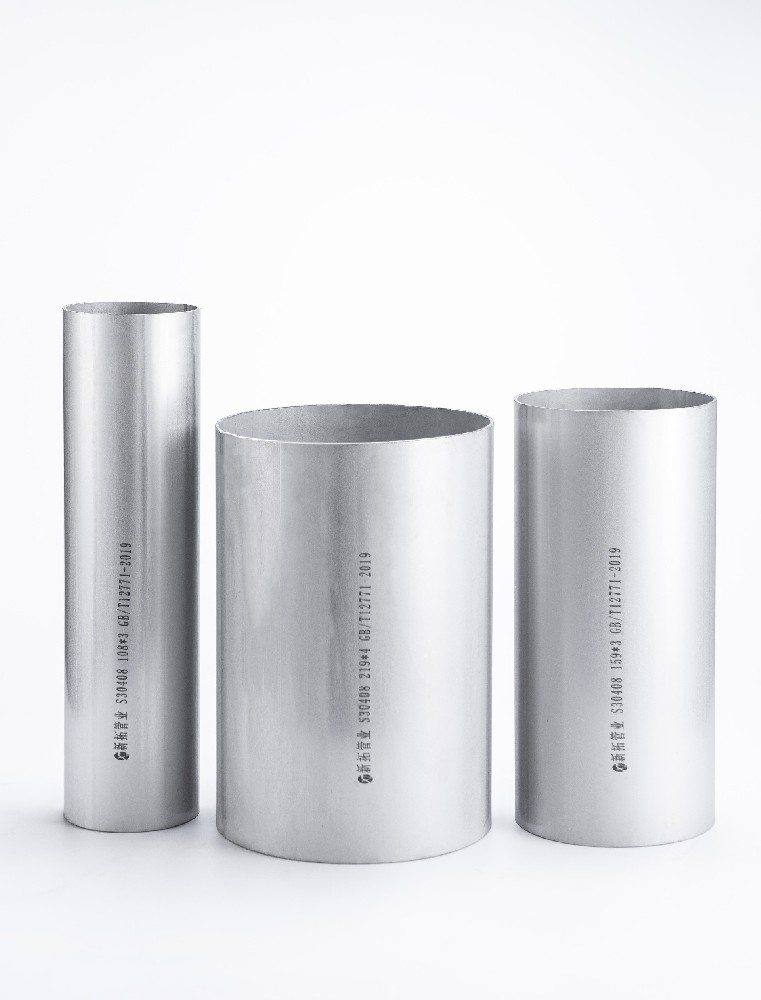
Standards & Certifications: Clearly identify the required national/international standards (e.g., GB/T 12771, ASTM A312, EN 10217-7) and any mandatory industry certifications for your project.
6. Future Industry Trends
The stainless steel welded pipe industry is advancing towards greater efficiency, intelligence, and sustainability:
Automation & Smart Production: Integration of MES systems for real-time production data monitoring and process optimization.
New Material Applications: Growing demand for higher-performance pipes made from super austenitic, duplex, and nickel-based alloys.
Customization & Solution-Oriented Approaches: Evolving from merely supplying products to providing comprehensive piping solutions encompassing design support, processing, and installation assistance.
Sustainable Development: Increased focus on energy conservation, environmental protection in manufacturing, and the recyclability of products throughout their lifecycle.
Conclusion
The stainless steel welded pipe, a product born from the fusion of materials science and precision manufacturing, is an indispensable component of modern industrial civilization. Choosing it means selecting a commitment to safety, durability, and reliability. Understanding the underlying technical rationale will empower you to make the most informed decisions for your diverse projects.
More News
-
Behind the AI Computing Power Surge: Why Stainless Steel Welded Pipes Have Become a “Must‑Have” for Liquid Cooling Systems
-
Inner & Outer Polished Stainless Steel Welded Pipes: Engineered for Cleanliness
-
Why Do Stainless Steel Welded Pipes Need Pickling? — Unveiling the Science and Value Behind Pickling
-
Why Do Some Stainless Steel Pipe Exports Require Fumigated Solid Wood Cases?
-
Stainless Steel Welded Pipe vs. Seamless Pipe: The Unique Advantages and Application Value of Welded Pipe